Preparing for Summer Time 2026: Tips for a Smooth Transition
The annual ritual of adjusting our clocks is once again on the horizon, as we look towards the Summer Time Change 2026: When and How to Adjust Your Clocks. For many across Europe, the phrase "zeitumstellung sommerzeit" evokes a mix of anticipation for longer daylight evenings and a slight dread of the disruption it brings. As the days grow longer and nature reawakens, so too must our internal clocks prepare for the shift. While the debate around the necessity of this time change continues to simmer, for 2026, the system remains in place, making preparation key to a seamless transition. This article will guide you through everything you need to know about the upcoming Summer Time Change 2026: When and How to Adjust Your Clocks, offering practical advice to mitigate the common challenges of "mini-jetlag" and help you embrace the extended daylight hours with energy and enthusiasm.When and How the Clocks Change for Summer Time 2026
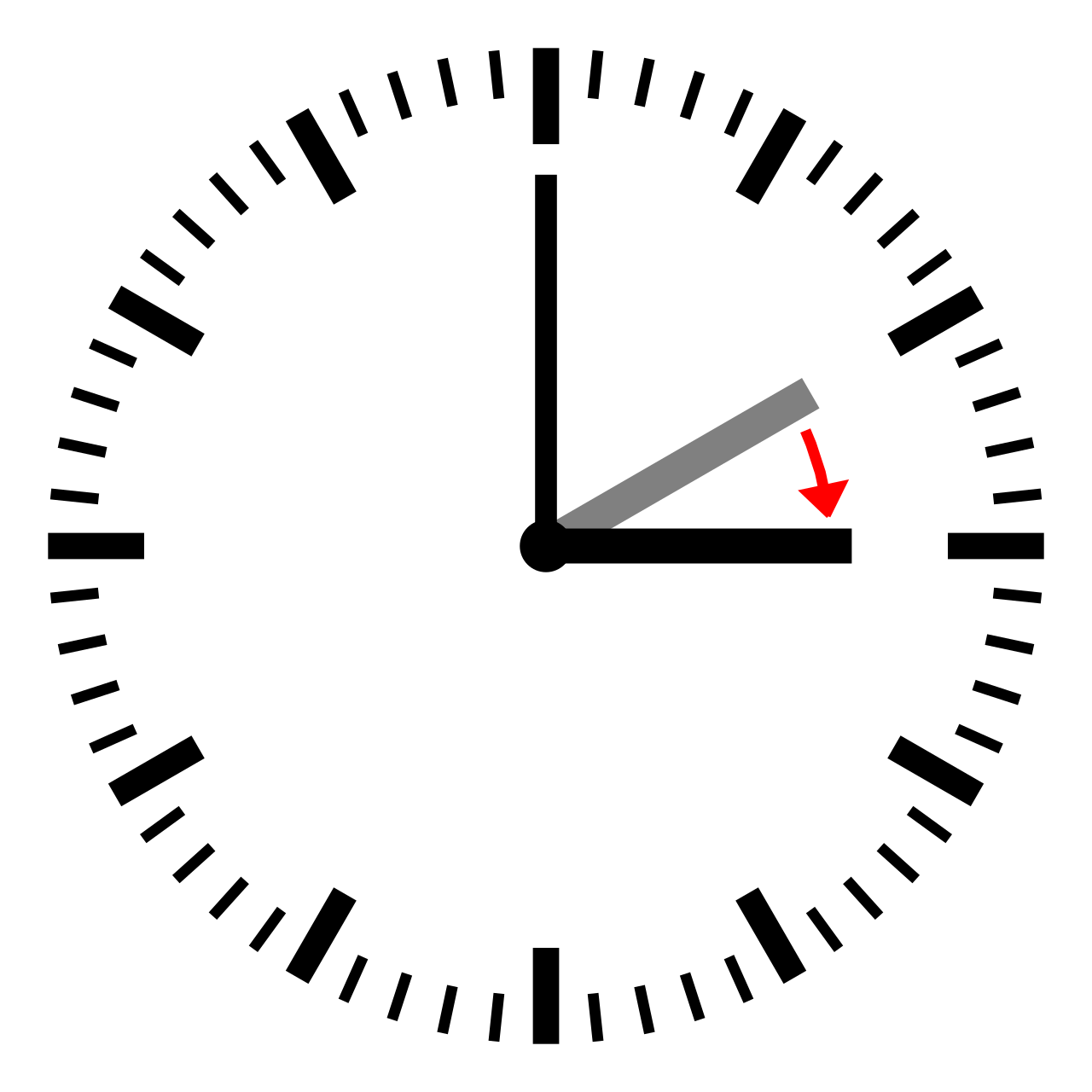
Mark your calendars: the shift to Summer Time 2026 (also widely known as Daylight Saving Time) will occur in the early hours of **Sunday, March 29, 2026**. This is the moment when the clocks in most European countries, including Germany and Austria, will be adjusted. Specifically, in the night from Saturday, March 28, to Sunday, March 29, the clocks will spring forward: at **2:00 AM, they will jump directly to 3:00 AM**. This means we effectively "lose" an hour of sleep, making the night one hour shorter. The familiar mnemonic "spring forward, fall back" serves as a helpful reminder for the direction of the change. This change officially marks the end of Winter Time (or Standard Time), which has been in effect since October 2025, ushering in the brighter period of Summer Time, which will last until October 25, 2026. You might notice that the exact date for the *zeitumstellung sommerzeit* varies slightly each year. This is because the transition always takes place on the **last Sunday of March**. Since the calendar days shift annually, so too does the specific date. For instance, in 2025, the change was on March 30, while for 2026, it falls on March 29. The same principle applies in autumn when clocks are set back on the last Sunday of October, which will be October 25, 2026. Remember that while most modern digital devices like smartphones, computers, and radio-controlled clocks adjust automatically, traditional analog clocks and some household appliances will require manual adjustment. It’s always a good idea to check critical clocks, like those on your oven or microwave, to ensure you’re on the right time.The Enduring Debate: Why Do We Still Change Clocks?
The practice of Why Summer Time Persists: Energy Saving vs. Health Impacts has been a fixture in Europe since 1980, with its roots tracing back to the early 20th century in some regions, notably gaining traction during times of crisis like the World Wars. The original rationale was compelling: by shifting daylight hours to the evening, societies could supposedly make better use of natural light, thereby reducing the need for artificial lighting and saving energy. This seemed like a sensible way to optimize daylight during the warmer months. However, in contemporary society, the perceived benefits of the *zeitumstellung sommerzeit* are increasingly questioned. Modern studies and analyses have largely challenged the energy-saving argument, suggesting that any reductions in lighting consumption are often offset by increased energy use in other areas, such as heating or air conditioning, due to changes in daily routines. The promised energy savings often turn out to be minimal, at best. Despite the questionable benefits, the drawbacks are becoming more apparent and widely discussed. The most frequently cited issue is the phenomenon of "mini-jetlag." This seemingly minor one-hour shift can disrupt our body's natural circadian rhythm, leading to a range of symptoms in the days following the change: * **Fatigue and Drowsiness:** The loss of an hour's sleep can leave individuals feeling tired and less alert. * **Concentration Problems:** Mental fogginess and reduced focus are common, potentially impacting productivity at work or school. * **Sleep Disturbances:** Difficulty falling asleep at the new bedtime or waking up earlier than desired. * **Irritability and Mood Changes:** The disruption to routine can lead to increased stress and mood swings. * **Health Concerns:** Some studies even suggest a temporary increase in cardiovascular events and road accidents in the days immediately after the spring forward, attributed to sleep deprivation and impaired judgment. Certain demographic groups are particularly sensitive to these changes. **Children**, whose routines are often more rigid, can struggle with adjusted sleep and meal times. **Elderly individuals** may have more fragile sleep patterns and a harder time adapting. **Shift workers**, whose schedules are already unconventional, can find the added disruption particularly taxing, exacerbating existing sleep challenges. This ongoing tension between historical rationale and modern health concerns is at the heart of the Why Summer Time Persists: Energy Saving vs. Health Impacts debate.Navigating the Shift: Practical Tips for a Smoother Transition
While the larger debate over the *zeitumstellung sommerzeit* continues, the fact remains that for 2026, we will be adjusting our clocks. The good news is that there are proactive steps you can take to minimize the disruption and help your body adapt more smoothly to the new schedule.Start Gradual Adjustments Early
Don't wait until the last minute. Begin preparing your body a few days before March 29th. Try going to bed and waking up 15-20 minutes earlier each day in the lead-up to the change. This gradual shift can significantly ease your body into the new time, making the full one-hour jump feel less abrupt.
Embrace Morning Light
Exposure to natural light, especially in the morning, is one of the most powerful tools for resetting your circadian rhythm. Make an effort to get outside for a short walk or simply open your curtains and have your morning coffee near a window shortly after waking. The morning light signals to your brain that the day has begun, helping to suppress melatonin production and promote alertness.
Optimize Your Sleep Hygiene
A consistent sleep routine is always beneficial, but it becomes even more crucial during the time change. Prioritize good sleep hygiene:
- Maintain a Consistent Sleep Schedule: Even on weekends, try to go to bed and wake up around the same time.
- Create a Relaxing Bedtime Routine: Wind down with a warm bath, reading a book, or gentle stretching.
- Ensure a Conducive Sleep Environment: Your bedroom should be dark, quiet, and cool. Blackout curtains can be particularly helpful with the earlier morning light.
- Limit Stimulants: Avoid caffeine and alcohol in the late afternoon and evening, as they can interfere with sleep.
- Reduce Screen Time: The blue light emitted by electronic devices can disrupt melatonin production. Power down screens at least an hour before bed.
Mind Your Diet and Exercise
While not directly tied to time change, a healthy lifestyle supports better adaptation. Opt for lighter meals in the evening, especially in the days leading up to and immediately after the *zeitumstellung sommerzeit*. Regular physical activity can improve sleep quality, but try to avoid strenuous workouts too close to bedtime. A brisk walk in the afternoon can be invigorating without overstimulating you before sleep.
Prepare for Digital and Analog Clocks
Most modern smartphones, computers, and smart devices will automatically adjust to the new time. However, remember to manually update any analog clocks, watches, and appliances like microwaves, ovens, or car clocks. Doing this on Saturday evening before bed will prevent confusion on Sunday morning.
Consider Vulnerable Groups
If you have children, the elderly, or pets, be extra mindful. Gradually shifting their routines (meal times, bedtimes) by 10-15 minutes each day for a few days before the change can help them adjust more easily. Patience and understanding are key as they adapt.