Why Summer Time Persists: Energy Saving vs. Health Impacts
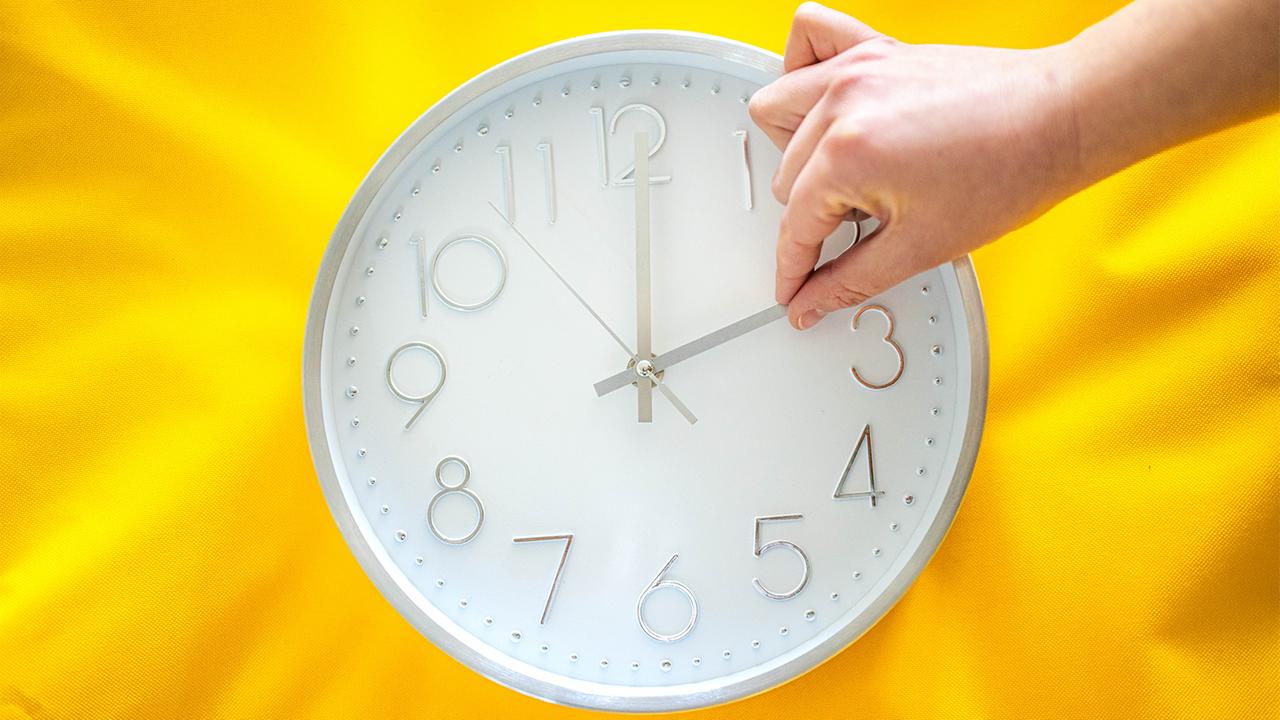
The annual ritual of adjusting our clocks for `zeitumstellung sommerzeit` (Daylight Saving Time) is a familiar yet often perplexing event for millions across Europe. Each spring, we "spring forward," sacrificing an hour of sleep, while in autumn, we "fall back," gaining it once more. This twice-yearly time shift, intended to harness daylight and conserve energy, increasingly faces scrutiny as its perceived benefits dwindle and concerns about its health impacts grow. Despite widespread calls for its abolition, the `zeitumstellung sommerzeit` system remains firmly in place, sparking an ongoing debate between historical energy-saving ambitions and modern-day wellness concerns.
Understanding the Annual Clock Change: `Zeitumstellung Sommerzeit` in 2026
For many, the question of whether to set clocks "forward or back" remains a persistent puzzle. The rule is simple: in spring, clocks go *forward*, shortening the night; in autumn, they go *back*, making the night longer. For `zeitumstellung sommerzeit` 2026, this means:
- Spring 2026: On the night of Saturday, March 28th, to Sunday, March 29th, the clocks will jump from 2:00 AM to 3:00 AM. This marks the official start of Sommerzeit, concluding the Winterzeit (standard time) that began in October 2025.
- Autumn 2026: The clocks will be reset on the night of Saturday, October 24th, to Sunday, October 25th. They will move from 3:00 AM back to 2:00 AM, signifying the return to standard time.
The exact date for the `zeitumstellung sommerzeit` varies slightly each year because the change always occurs on the
last Sunday of March and the
last Sunday of October. This ensures consistency across the European Union, even as the specific calendar date shifts. While many modern digital devices like smartphones, computers, and radio-controlled clocks adjust automatically, traditional analog clocks and manual devices still require a hands-on approach. For more details on the upcoming change, you might find this article helpful:
Summer Time Change 2026: When and How to Adjust Your Clocks.
The Historical Rationale: Energy Saving Ambitions
The concept of `zeitumstellung sommerzeit` isn't new; it has roots dating back over a century. However, its widespread adoption across Europe, including Germany, only became commonplace in 1980. The primary motivation was clear: to conserve energy. The theory was that by shifting daylight hours later into the evening, people would utilize natural light for longer, thereby reducing the need for artificial lighting in homes and businesses, especially during peak evening hours.
In an era deeply concerned with energy efficiency, particularly in the wake of the 1970s oil crises, making better use of existing daylight seemed like a sensible and low-cost solution. The idea was that starting the day with daylight and extending it into the evening would lead to tangible `energie sparen` (energy savings), contributing to national economic stability and environmental goals.
The Modern Controversy: Health Impacts and Disputed Benefits
Fast forward to today, and the initial rationale for `zeitumstellung sommerzeit` is increasingly questioned. Numerous studies conducted over the past decades suggest that the actual energy savings are, at best, marginal, and in some cases, even negligible or counterproductive. While lighting needs might slightly decrease, modern households and businesses consume significant energy through heating, air conditioning, and electronics, which are largely unaffected by the time shift or may even see increased usage. For example, cooler mornings might prompt earlier heating use, offsetting any evening lighting savings.
The more pressing concern, however, revolves around the significant `gesundheitliche auswirkungen` (health impacts) associated with the `zeitumstellung sommerzeit`. The one-hour shift, though seemingly minor, disrupts our natural circadian rhythm – our internal body clock that regulates sleep-wake cycles, hormone production, and other vital bodily functions. This disruption is often referred to as a "mini-jetlag," and its symptoms can include:
- Müdigkeit (Fatigue): The immediate loss of an hour's sleep can leave individuals feeling tired and sluggish for several days.
- Konzentrationsprobleme (Concentration Problems): Impaired sleep can lead to reduced cognitive function, making it harder to focus at work or school.
- Schlafstörungen (Sleep Disorders): Adjusting to the new time can cause difficulty falling asleep or staying asleep, leading to prolonged sleep deprivation.
- Irritability and Mood Swings: The stress of disrupted sleep can manifest as increased irritability and a general feeling of being unwell.
- Increased Risk of Accidents: Studies have shown a slight increase in traffic accidents and workplace injuries in the days following the spring time change, attributed to sleep deprivation.
- Cardiovascular Issues: Some research suggests a temporary uptick in heart attacks and strokes in the week after the spring forward, though this is an area of ongoing study.
These effects are not universal, but certain groups are particularly vulnerable. Children, whose sleep patterns are more sensitive; older individuals, who often have more rigid sleep routines; and shift workers, whose schedules already conflict with natural light cycles, tend to experience the `zeitumstellung sommerzeit` most acutely.
Navigating the Transition: Practical Tips for `Zeitumstellung Sommerzeit`
While the debate rages on, the `zeitumstellung sommerzeit` is still a reality for 2026. Therefore, proactively preparing your body can significantly ease the transition and mitigate the worst of the "mini-jetlag" symptoms. Here are some practical `zeitumstellung tipps` to help you adjust:
- Gradual Adjustment: Instead of making the change all at once, try shifting your bedtime and wake-up time by 15-20 minutes earlier each day for a few days leading up to March 29th. This allows your internal clock to `körper anpassen` (adapt your body) more gently.
- Embrace Morning Light: Exposure to natural light, especially in the morning, is crucial for resetting your circadian rhythm. Go for a brisk walk outdoors shortly after waking, or at least open your curtains wide to let the sunlight in.
- Maintain a Consistent Sleep Schedule: Even after the change, try to stick to a regular bedtime and wake-up time, including on weekends. This reinforces your body's natural rhythm.
- Optimize Your Sleep Environment: Ensure your bedroom is dark, quiet, and cool. Avoid electronic screens (phones, tablets, computers) for at least an hour before bed, as the blue light can interfere with melatonin production.
- Watch Your Diet: Avoid heavy meals, excessive caffeine, and alcohol close to bedtime, as these can disrupt sleep.
- Stay Hydrated and Active: Regular physical activity can promote better sleep, but try to finish intense workouts several hours before bedtime.
For more comprehensive advice on making the transition smoother, check out:
Preparing for Summer Time 2026: Tips for a Smooth Transition.
The Stalemate: Why `Zeitumstellung Sommerzeit` Endures
Given the widespread discontent and the scientific evidence questioning its benefits, many wonder why the `abschaffung zeitumstellung` (abolition of time change) hasn't already occurred. The political will for change certainly exists; in 2019, the `EU-Parlament` voted overwhelmingly in favor of ending the biannual clock changes. This decision was largely driven by a public consultation where 84% of respondents across the EU expressed a desire to stop the practice.
However, despite this parliamentary approval, a final, unified resolution among the EU member states has proven elusive. The core problem lies in a lack of consensus on *which* time zone to adopt permanently. Some countries prefer to remain on permanent Sommerzeit (Daylight Saving Time), arguing it aligns better with modern lifestyles, offers longer daylight evenings, and could boost tourism. Others advocate for permanent standard time (Winterzeit), citing health benefits and the importance of aligning human physiology with natural light cycles. Without a unanimous decision or at least a coordinated regional approach, the fear is that abolishing the time change without agreement could lead to a fragmented patchwork of time zones across Europe, creating more chaos than the current system. Until such an agreement is reached, the `zeitumstellung sommerzeit` will continue, meaning clocks will still be adjusted in 2026 and beyond.
Conclusion
The debate surrounding `zeitumstellung sommerzeit` is a complex tapestry woven with historical economic intentions, modern health insights, and political inertia. While its original purpose of `energie sparen` is now largely debunked, its persistence highlights the intricate challenges of coordinating policy across diverse nations. As we approach the `zeitumstellung sommerzeit` 2026, the discussion will undoubtedly rekindle, underscoring the ongoing tension between a tradition born of necessity and the growing awareness of its human cost. Until a consensus emerges, adapting to the bi-annual clock shift remains a personal challenge for millions, urging us to understand its impacts and implement strategies for a smoother transition. The future of the `zeitumstellung` in Europe remains uncertain, a testament to the intricate balance of policy, practicality, and human well-being.